

How is your Leadership Influenced by the Clock? The Lightbulb? The iPhone?
So, what is your Leadership Influence today?
Clock. Light Bulb. iPhone.
Each symbolizes a leap in human progress. These moments changed life forever. I grew up on the TTT Ranch in North Dakota. Our home was a small 800-square-foot homestead shack with a lean-to for extra space. We had no running water; our “bathroom” was outside in the wind and snow. Life was raw and real. We measured time by chores, light by kerosene, and communication by the mailbox at the end of a long gravel road. And, of course, I loved my pony 🙂
Now, I live in the wealthiest nation on earth, in one of its richest states. I am surrounded by comforts my childhood self could hardly imagine. I can fly across the world in hours, enjoy a hot shower anytime, and use a bathroom with a bidet and automatic lights. My phone is smarter than the first computers that sent astronauts into space. Plus, we have a host of Artificial Intelligence services we can use, depending on our needs and application.
Yet, amid this astonishing progress—during the AI revolution, the age of automation, and instant connection—I find myself pausing. The contrast between then and now raises unsettling questions. How do we stay truly human in a world where technology meets our every need?
Yes, we’re adaptable creatures, rushing into a future that feels more like Star Trek and Star Wars than the dusty ranch of my youth. But are we designed—spiritually, relationally, physically, and intellectually—for the speed of what surrounds us?
Thus, this excerpt from Praying Like Monks, Living Like Fools by Tyler Staton, leaps out to me.
I trust this sparks you to ask a new set of questions about yourself and your leadership, during the Holidays.
The Clock
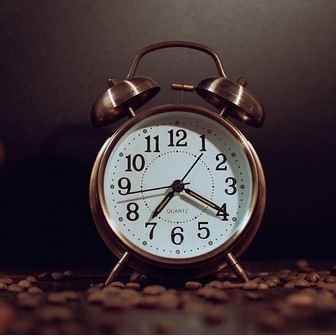
In 1370, the first public clock was set up in Germany. Historians popularly point to that moment as the turning point when the world shifted from natural time to artificial time. Previously, people awoke with the sun’s rising and went to bed with its setting. There was a rhythm to life, with longer days in the summer and shorter days in the winter (which, I assume, is how people made it through German winters before central heating—they mostly slept through it).
As of 1370, when people started managing their time artificially, time shifted from being a limit governing our lives to a resource used according to our individual agendas.
The Light Bulb
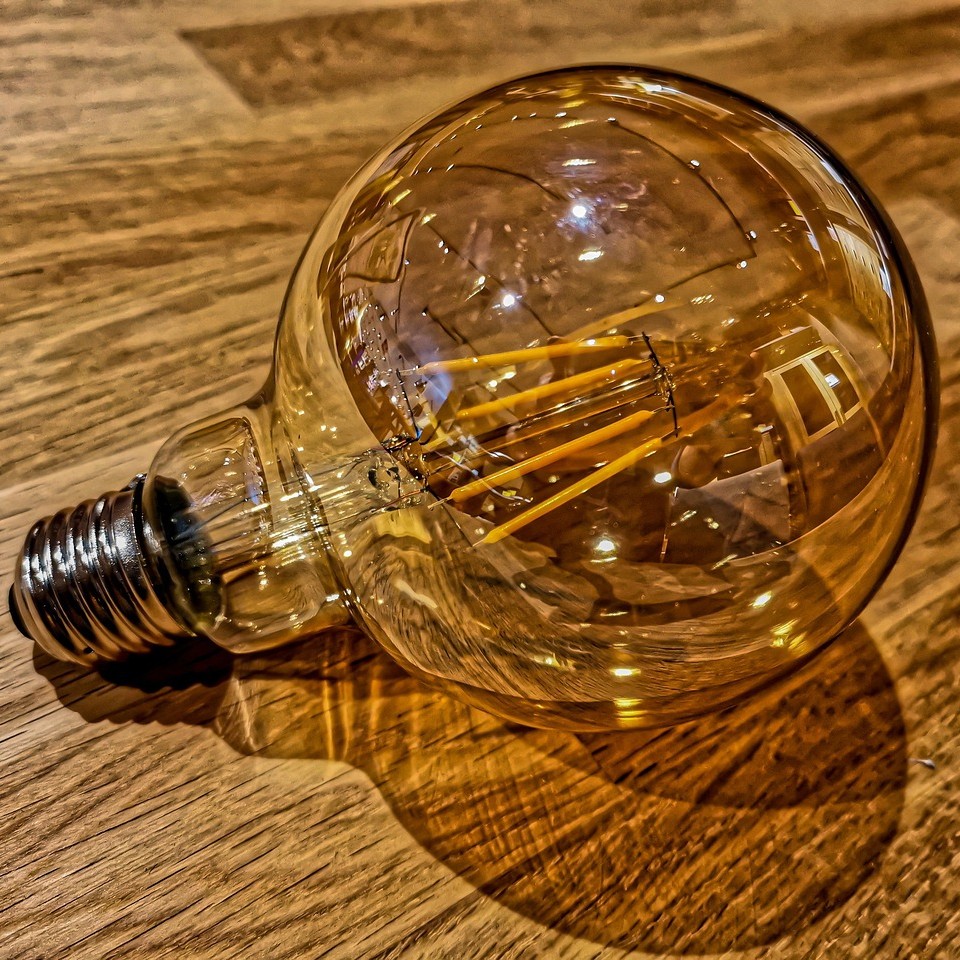 In 1879, Thomas Edison invented the light bulb, which, among other things, cut way back on our sleep time. Prior to the light bulb the average American slept ten hours a night. With the increased potential for human productivity, technology took off.
By 1960, central air conditioning and heating, microwaves, dishwashers, and laundry machines were common in American homes. Around that time, sociologists commonly started making predictions about what human life would look like by the time you and I are living in, and pretty much everyone was on the same page—a dramatic increase in leisure and ease of life.
A Senate subcommittee in 1967 jointly predicted that by 1985, the average American would work twenty-two hours a week for twenty-seven weeks a year because of all the leisure time this new technology would free up. In reality, “the average time people spend on leisure has decreased since the 1980s.
Technology has continued to advance and save us time. They got that part right. What they misjudged was how we’d use it. We’ve spent that time on things other than deep rest.
The iPhone
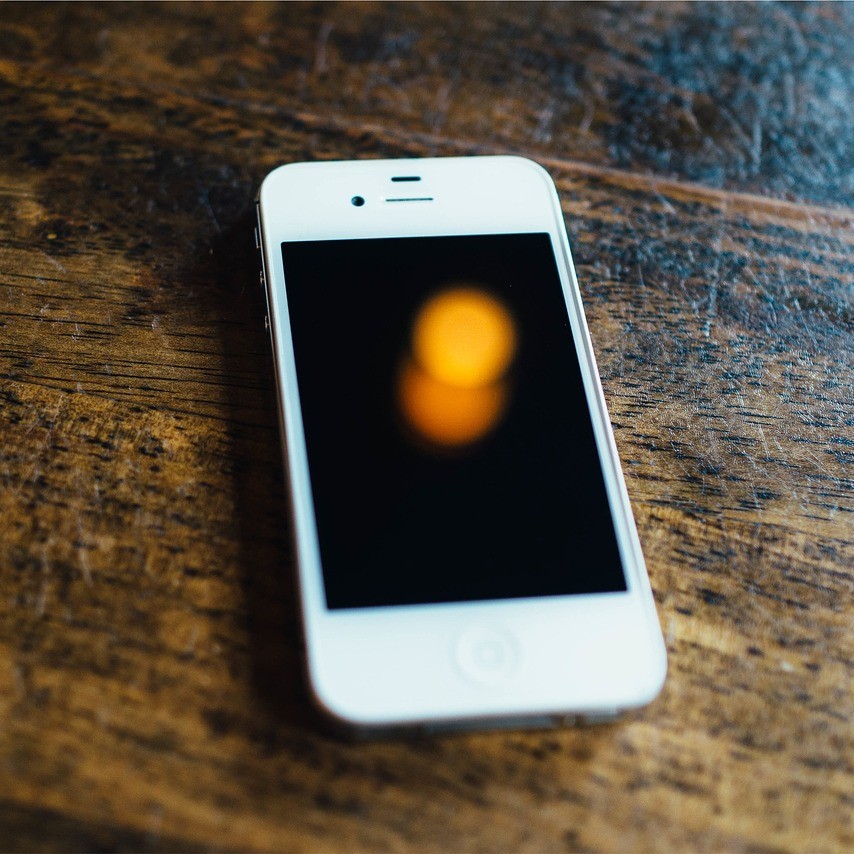 How have we used that time? Well, when Apple released the first iPhone in June 2007, they gave us a tracking device for that very data. A 2016 study found that the average iPhone user touches their phone 2,617 times a day, staring at their phone screen for two and a half hours over seventy-six sessions. A more recent 2019 study discovered that in just three years, the figure had more than doubled to over five hours a day.
Instead of slowing down and harnessing technology to free up leisure time, we now suffer from what mental health professionals call “hurry sickness,” a behavioural pattern characterized by continual rushing and anxiety. In a society that prizes efficiency and productivity above all else, that uses time like a tool rather than a limit, hurry isn’t an occasional necessity; it’s the new normal. “Be still.” It’s not as simple as it sounds.
The Christian philosopher Dallas Willard was once asked. “What do I need to do to be spiritually healthy?” After a long pause, he offered this response: “You must ruthlessly eliminate hurry from your life.” According to Willard, hurry is the great enemy of spiritual life in our day. That’s interesting, isn’t it? I find that interesting because if I were to ask any number of spiritual teachers—pastors, priests, rabbis, and theologians, ”What is the great spiritual enemy of our day?” I doubt that very many of them would instinctively respond with, “Hurry.”
© Copyright Danita Bye
Let’s discuss a tailor-made interview to meet your audience’s needs.
Virtual speaking event? No problem!
Check out my Speaker page HERE.
To schedule a call, contact me at danita@danitabye.com
No Comments