

10 Important Stats and Facts from the Anxious Generation According to ChatGPT
In The Anxious Generation, Jonathan Haidt speaks to a reality many parents feel in their bones: something shifted for our children in the early 2010s – the weight they now carry is heavier than anything we should expect young shoulders to bear.
The statistics he shares don’t just chart trends—they echo the quiet worries parents voice at the dinner table, the late‑night questions about resilience, belonging, and whether our kids are growing up in a world that supports their emotional well‑being.
His work invites parents to pause, reflect, and better understand the forces shaping their children’s inner lives.
10 Important Stats from Anxious Generation by ChatGPT
- Rise in Depression and Anxiety: Between 2010 and 2015, rates of depression and anxiety among U.S. adolescents more than doubled, with a notable increase among teenage girls.
- Increase in Self-Harm: Emergency room visits for non-fatal self-injury among U.S. girls aged 10-14 tripled between 2009 and 2015.
- Suicide Rates: Suicide rates for U.S. adolescents aged 15-19 increased by 56% from 2007 to 2017.
- Global Trends: Similar increases in adolescent mental health issues have been observed in countries like the UK, Canada, Australia, and New Zealand, indicating a widespread phenomenon.
- Social Media Usage: By 2015, over 90% of U.S. teens had access to a smartphone, with many spending more than five hours daily on social media platforms.
- Sleep Deprivation: Studies show that adolescents are sleeping less, with a significant decline in those getting the recommended eight hours per night, correlating with increased screen time.
- Parental Overprotection: The percentage of U.S. parents who believe children should be allowed to play outside unsupervised dropped from 80% in the 1970s to less than 30% in recent years, limiting opportunities for independent play.
- Academic Pressure: Surveys indicate that over 70% of high school students report feeling stressed about academic performance, contributing to anxiety levels.
- Economic Concerns: Approximately 60% of young adults express uncertainty about future job prospects, linking economic instability to increased anxiety.
- Mental Health Stigma: Despite rising mental health issues, only about 40% of affected adolescents seek professional help, often due to stigma and lack of resources.
These statistics underscore the multifaceted challenges contributing to the mental health crisis among today’s youth, as detailed in Haidt’s analysis.
10 Important Facts from Anxious Generation by ChatGPT
- Rising Diagnosis Rates: The author states that anxiety disorders among young people have seen a significant increase over the past decade, with more teenagers and young adults being diagnosed than ever before.
- Social Media’s Impact: Research presented in the book shows that excessive use of social media correlates with higher levels of anxiety and depression, primarily due to constant comparison and the pressure to present a curated, perfect life.
- Academic Pressure: The author points out that the current educational system, with its intense focus on grades, standardized testing, and college admissions, is a significant source of stress for students.
- Economic Uncertainty: Young adults face economic challenges and instability due to the gig economy and rising living costs, contributing to feelings of insecurity and anxiety about their futures.
- Parental Influence: Overprotective parenting can inhibit children from developing coping skills, making them more vulnerable to stress and anxiety when they face challenges independently.
- Mental Health Stigma: Despite growing awareness, there remains a stigma around seeking mental health support. Many young people avoid reaching out due to fear of being judged.
- Biological and Genetic Factors: The book explains that genetics and brain chemistry play a role in predisposing certain individuals to anxiety, with environmental factors acting as triggers.
- Sleep Deprivation: Poor sleep hygiene, exacerbated by screen time and stress, is shown to negatively impact mental health, making anxiety symptoms more pronounced.
- Mindfulness as a Solution: The author highlights mindfulness practices as effective tools for managing anxiety, promoting self-awareness, and reducing stress levels.
- Call for Policy Change: The book argues for the need for better policies that support mental health resources in schools and communities, advocating for a comprehensive approach to mental health care.
Summary of Anxious Generation by ChatGPT
Anxious Generation delves deep into the multifaceted causes, symptoms, and societal impacts of the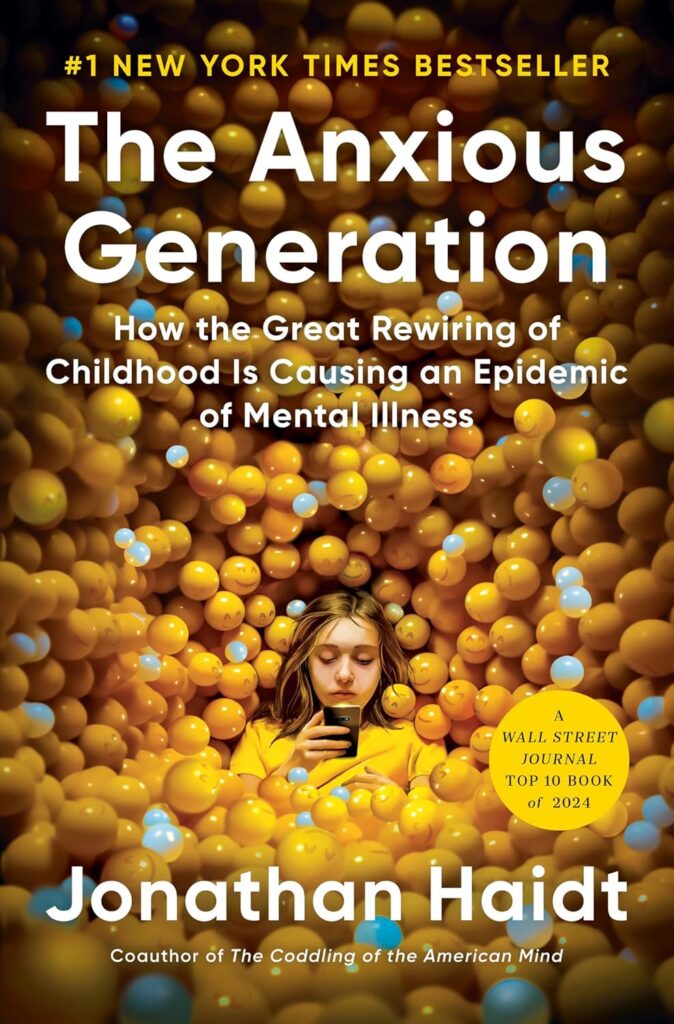 increasing prevalence of anxiety among today’s youth. The author, through extensive research and case studies, presents a compelling examination of how modern life contributes to heightened anxiety levels. Central to the narrative is the notion that today’s generation, unlike any before, is dealing with an intricate blend of digital, societal, and psychological pressures that exacerbate mental health challenges.
The book begins by outlining the historical context, demonstrating that while anxiety has always been a part of the human experience, its current scale is unprecedented. The author points to a significant rise in diagnoses, with more young people seeking help for anxiety-related issues than ever before. The discussion shifts to how technology, particularly the rise of social media, plays a crucial role. Platforms like Instagram, TikTok, and others create a landscape where comparison and the pressure to curate an idealized life contribute to a distorted self-image and social anxiety. The author argues that social media has transformed from a tool of connection to one of relentless judgment, influencing young people’s mental well-being.
Beyond the digital realm, Anxious Generation explores the educational and societal pressures placed on youth. The author discusses how an emphasis on achievement, standardized testing, and the notion that one’s entire future hinges on academic performance has significantly contributed to stress and anxiety. Moreover, economic instability and the gig economy leave many young adults feeling uncertain about their future, compounding their worry and fear.
The book doesn’t shy away from the biological and psychological underpinnings of anxiety. It includes insights into how genetics, upbringing, and brain chemistry can predispose individuals to anxiety. The role of parenting styles is scrutinized; overprotective and helicopter parenting are highlighted as factors that hinder the development of resilience in children, making them less equipped to manage stress independently.
The author also emphasizes the stigma surrounding mental health. Despite progress, many young people hesitate to seek help due to fear of judgment or being labeled. This perpetuates a cycle where anxiety goes unaddressed and worsens over time. The book calls for systemic change, advocating for better mental health education, accessible resources, and destigmatization initiatives.
The final sections focus on solutions and coping mechanisms, suggesting mindfulness, cognitive-behavioral techniques, and community-building activities as beneficial practices. The author underscores the importance of fostering open dialogue, where seeking help is normalized and mental health is prioritized equally with physical health.
In conclusion, Anxious Generation is a thorough examination of the confluence of factors driving anxiety among young people today. It offers both a warning and a call to action, stressing that tackling this crisis requires a multifaceted approach involving families, schools, policymakers, and communities at large.

Let’s discuss a tailor-made interview to meet your audience’s needs.
Virtual speaking event? No problem!
Check out my Speaker page HERE.
To schedule a call, contact me at danita@danitabye.com
No Comments