

The Moral Compass AI Can’t Replace – Leadership Influence and Knowing: (YouVersion)
As AI becomes a bigger part of our everyday leadership development, knowing what’s right and wrong is no longer optional – it’s vital. Read this article for some shocking findings…
A recent report —the AI Christian Benchmark, from The Gospel Coalition— reveals that only 3 out of 10 Christians feel confident using AI in ways that align with their values.
Even more concerning, many say they’re losing their sense of right and wrong as technology becomes more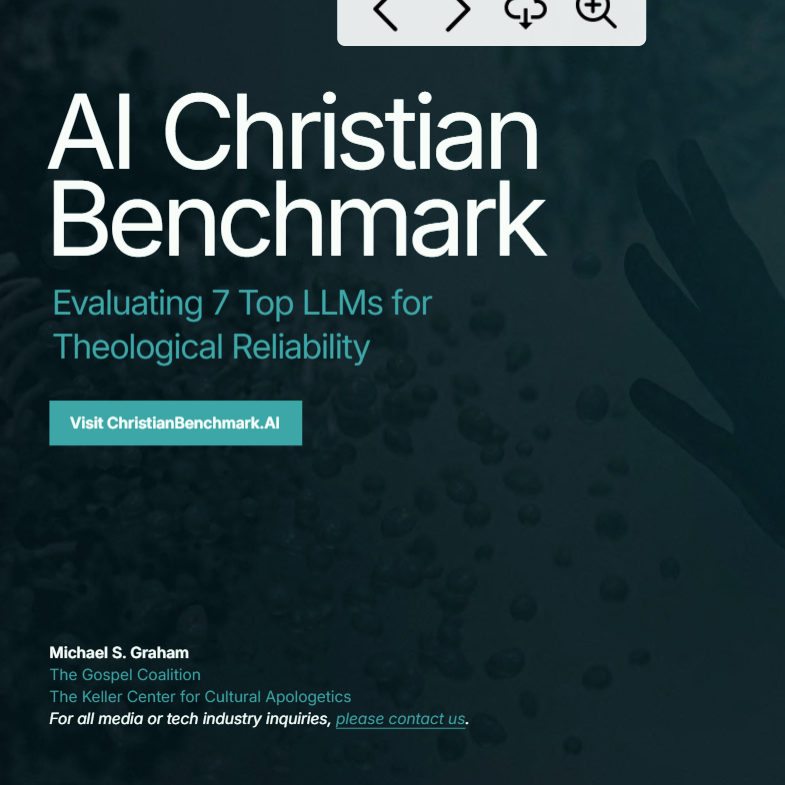 convenient.
Did you catch that – losing their sense of right and wrong?!?
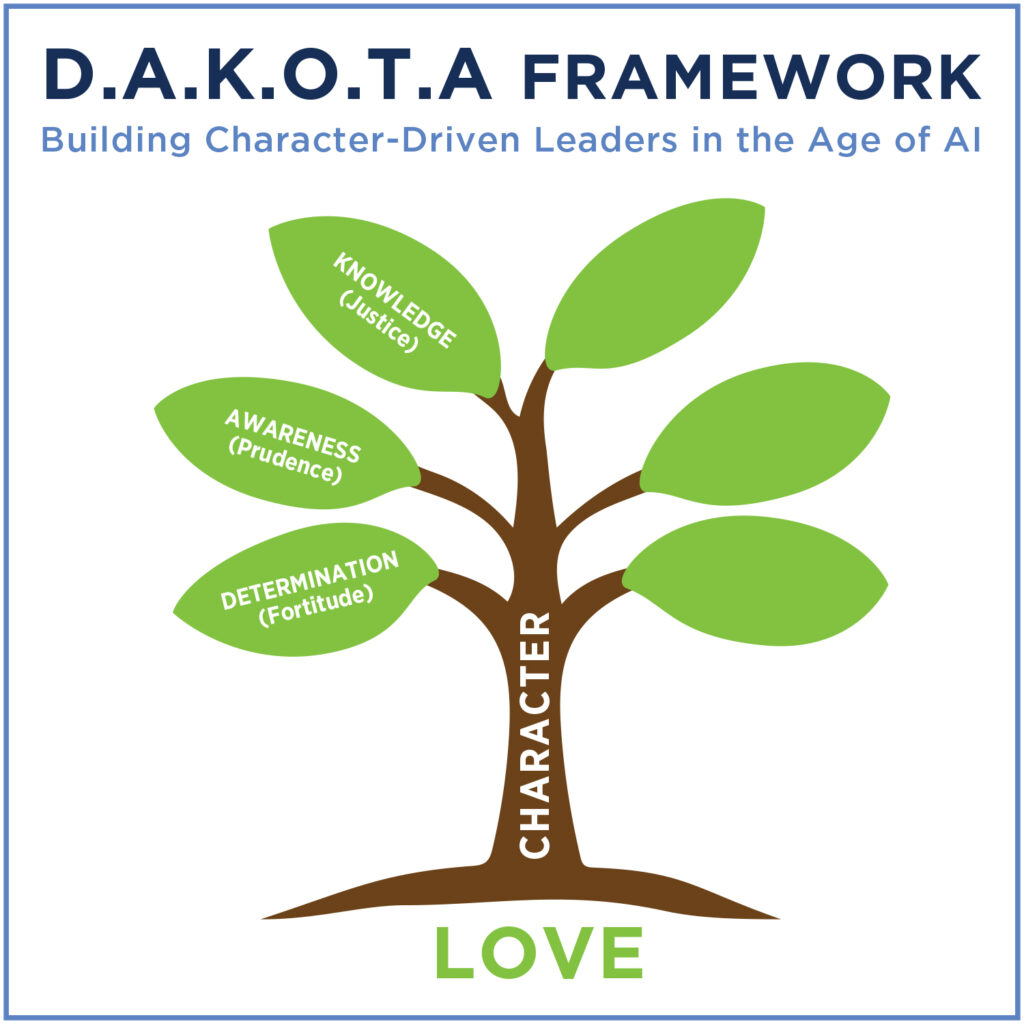
That’s why Knowing—the third trait in the D.A.K.O.T.A. Framework—is so important. Knowing doesn’t just mean having information. It means understanding where your beliefs come from and staying grounded in God’s truth.
AI can help us make choices faster, but it can’t help us decide what is good. That takes strong character—and the help of the Holy Spirit.
This is my original YouVersion Devotional on Knowing. This excerpt is followed by some insights based on the speed and velocity at which AI is changing our world. This quote is applicable, isn’t it – “If our systems are vulnerable, so are our values.”
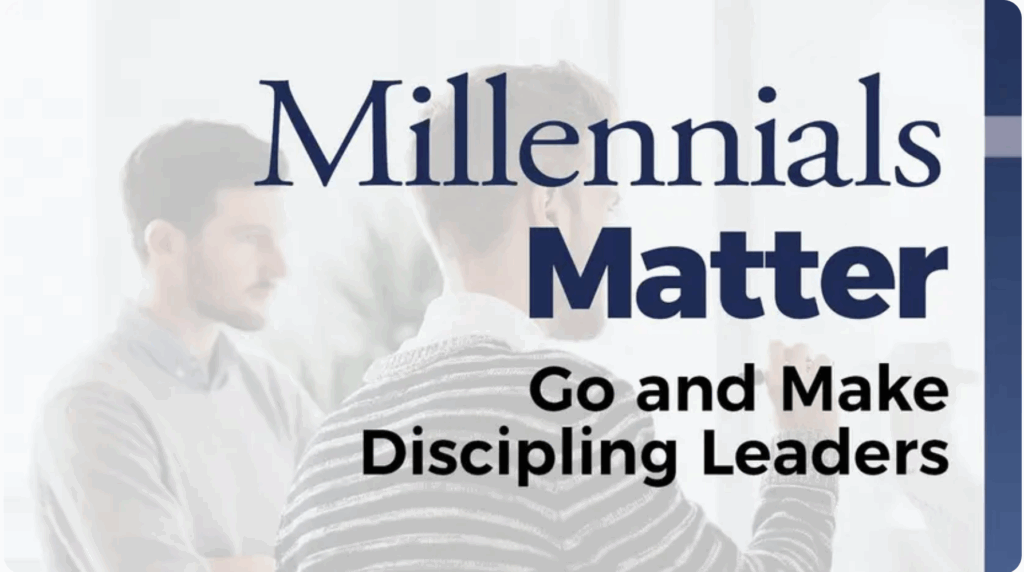
That’s where the D.A.K.O.T.A. Framework, which I write about in the YouVersion devotional series entitled Millennials Matter – Go and Make Discipling Leaders, comes in. I developed this simple yet powerful roadmap to help you lead with character in the AI Era. I trust you find the insights in both the original version and the updated comments helpful.
 Original YouVersion: Knowing
 Original YouVersion: Knowing
What is meant by “knowing”? It is deep and certain knowledge of who you are at the core, your moral center. When discipling a young Christian leader in this area, they will develop the courage and the strong moral fiber to stand for what is right over what is easy. Both Moses and Joshua developed this knowing. Note: Morals are personal, internal, whereas ethics are societal, external.
How do you build a wide, long, and deep foundation of knowing what is right morally, so your emerging leader can stand upon that knowing when tough ethical decisions are to be made?
Using Galatians 5:22-23, create a list of the fruit of the Spirit. Then, on a scale of 0 to 10 (with 10 being good), rate yourself, and have your mentee rate herself, on what you’ve observed about yourself in the last week. In the same way, list the attributes of love as described in 1 Corinthians 13:4-7, and then rate those. Use both to assess yourself personally and professionally, even to the point of performing a self-check in each role of your life, that of spouse, parent, customer, employee, and other spheres of influence you are in.
From there, you can develop knowing oneself morally in three major ways. First, we allow God’s Word, the Bible, to instruct us as to what is moral. Second, we allow the exemplar of Jesus to demonstrate morals in action. Third, we open ourselves to the directing of the Holy Spirit. We can do this through focus, effort, and spoken prayer that God will help us and our Christian mentee to continually develop clearer and stronger morals. This spurs knowledge and sharpens it.
Knowing who you are morally becomes solidified by practice. We practice what the Bible instructs, what Jesus did, and do what the Holy Spirit directs us toward, even in the little things that seem to have minimal moral consequences. If we practice these consistently in everyday life, then they become the go-to position when ethical pressure exerts its negative force.
Through those steps, we build up our moral muscle in preparation for standing against moral decisions that can bring significant harm. With this “knowing”, your mentee can eventually disciple others to do the same.
Seek and pray for moral knowledge and growth. God will give it.
Updated Reflections: The Moral Compass AI Can’t Replace
If you’re leading in today’s fast-moving, AI-shaped world, you already feel it—the pressure to move faster, decide quicker, and keep up. Information is everywhere. Answers are instant. And yet, something deeper can quietly begin to erode.
Moral clarity.
You can have access to more data than ever and still feel uncertain about what’s right. That’s why Knowing—the third trait in the D.A.K.O.T.A. Framework—matters so much. Knowing isn’t about collecting more information. It’s about staying anchored in God’s truth so you can discern what is right, even when the easier option is tempting.
A Moment That Stopped Me Cold
Several years ago—before today’s AI tools dominated the conversation—I attended the North Dakota Cyber Security Summit. The room was filled with leaders from business, education, healthcare, and government.
In the middle of the keynote, the speaker said something that stopped me cold:
“This is really a war of good against evil.”
At first, I shifted uncomfortably in my chair. We were there to talk about cyber threats and digital systems—not spiritual warfare. But when he repeated the phrase, I felt a chill.
He wasn’t exaggerating. He was naming the truth.
As the day went on, we discussed how to protect our systems from digital breaches. But my mind kept circling a different question: What happens when leaders experience a moral breach? What happens when we lose our center?
In that moment, it became clear to me. Technical readiness isn’t enough. If our systems are vulnerable, so are our values. And if we don’t intentionally strengthen our moral core, convenience will eventually replace conviction.
Knowing Is More Than Information
When Scripture speaks of “knowing,” it points to something deeper than head knowledge. Knowing is your settled moral center—the inner compass that guides you when no one is watching.
Think about Moses and Joshua. Moses didn’t simply give Joshua instructions or leadership strategies. He walked with him. Over time, Joshua learned to trust God, to discern right from wrong, and to stand firm when fear and pressure surrounded him.
That kind of knowing doesn’t happen overnight. It’s formed through obedience, practice, and dependence on God.
In an AI-powered world, technology can help you make decisions faster. But it cannot help you decide what is good. That requires character shaped by truth—and the daily guidance of the Holy Spirit.
Moral clarity doesn’t just happen. It’s cultivated through intentional choices. Here are three practices you can use—both in your own leadership and as you mentor others.
1. Slow Down to Discern
Everything around you pushes for speed. But wisdom grows in moments of pause.
When you slow down, you give yourself space to pray, reflect, and ask better questions. Discernment can’t be rushed.
Try this:
When you face a difficult decision, pause and ask:
-
What are the facts—not just my emotions?
-
Is this a moral issue, an ethical dilemma, or a matter of preference?
-
Which options align with God’s truth and my values?
-
What are the potential consequences?
-
How can I act responsibly, even if no one is watching?
Choosing to slow down isn’t weakness. It’s one of the clearest signs of strong leadership.
2. Practice What You Know
You already know many of the right things. The challenge is living them consistently.
Every time your actions align with your values—even in small, unseen ways—you strengthen your moral muscle. Over time, those daily choices become your default response when pressure mounts. This is where convergence happens—when who you are inwardly matches how you lead outwardly, guided by God’s purpose.
Jesus didn’t just teach values. He lived them. And He invites you to do the same.
Try this:
-
List the fruit of the Spirit (Galatians 5:22–23) and the attributes of love (1 Corinthians 13:4–7).
-
Honestly assess how you’re showing up in each role you carry—leader, spouse, parent, colleague.
-
Choose one habit or attitude to strengthen this week.
Faithfulness in small things prepares you for the moments that truly test your integrity.
3. Invite God In—Daily
It’s tempting to rely on experience, expertise, or expectations. But deeper knowing grows when you invite God into your decisions.
As you walk with Him, His wisdom shapes how you see the world. You begin to recognize what is just and good. The Holy Spirit doesn’t just inform your thinking—He gently directs your steps.
Try this:
Start your day with a simple prayer:
“Lord, give me wisdom to see clearly, courage to act rightly, and humility to lead faithfully.”
Ask yourself:
-
What might God be teaching me in this season?
-
Which virtues is He developing in me right now?
Write what you sense—and act on it.
Moral clarity is rarely convenient. But it is always powerful.
Your Leadership Takeaway: What AI Can’t Do—And You Can
The people you influence will one day face decisions that test their character. Some will feel pressure to compromise. Others may be tempted to stay silent when speaking up is costly.
AI will continue to advance. It will process data, automate decisions, and increase efficiency.
But it cannot form character.
It cannot discern right from wrong.
It cannot model integrity.
That’s your calling.
Just as Moses walked alongside Joshua until he could stand on his own, you have the opportunity to model what moral knowing looks like in real life. When your character, calling, and competence align, you become a living example of leadership grounded in truth.
As you lead in the Age of AI, return to these three practices often:
-
Slow Down to Discern – Pause and seek God’s wisdom.
-
Practice What You Know – Let your actions reflect your beliefs.
-
Invite God In – Trust the Holy Spirit to guide your steps.
The world doesn’t just need faster leaders. It needs wiser ones.
As we continue exploring the D.A.K.O.T.A. Framework, our next character-driven virtue is Optimism. Optimism empowers leaders to persevere through setbacks with hope, resourcefulness, and courage rooted in God’s promises.
Leadership Lesson: The best leaders don’t just know what’s right—they live it, even when it’s hard.
Leadership Question: Where in your leadership are you tempted to choose what’s easy instead of what’s right?
© Copyright Danita Bye – (Edited by ChatGPT for clarity and flow).

Let’s discuss a tailor-made interview to meet your audience’s needs.
Virtual speaking event? No problem!
Check out my Speaker page HERE.
To schedule a call, contact me at danita@danitabye.com
No Comments