

Leadership Influence and Optimism: The Discipline That Turns Quicksand into Solid Ground (YouVersion)
I admit — even as a leadership development guru, I go through seasons of grumbling. Some days I feel stuck, as if the clouds just won’t lift. I put on a positive face, but inside, everything feels gray. Sometimes, I’m smiling on the outside but sobbing on the inside. Do you have those days too?
Recently, a friend sent me a short text with a link to the song “Million Little Miracles.” Her timing was perfect. What a powerful reminder – every day is filled with countless, quiet miracles. Ironically, I had sent her the very same song a couple of years earlier when she was walking through a tough season.
That gentle exchange reminded me: optimism isn’t pretending the clouds or the quicksand don’t exist. It’s choosing to look for the light of God’s faithfulness breaking through—a million little miracles at a time.
This is my original YouVersion Devotional on Optimism, which is followed by some updated insights based on how much the world has changed with the advent of AI. I trust you find helpful insights in both the original version and the updated comments.
Original YouVersion: Mentoring Optimism
 Joshua and Caleb, two of the twelve spies that Moses sent to explore Canaan, came back and reported that the land was good and that the Israelites could go in and take possession of it. The other ten wanted to turn tail and run. Joshua was optimistic because he trusted in the Lord. He had been mentored and discipled by a person of deep faith, Moses.
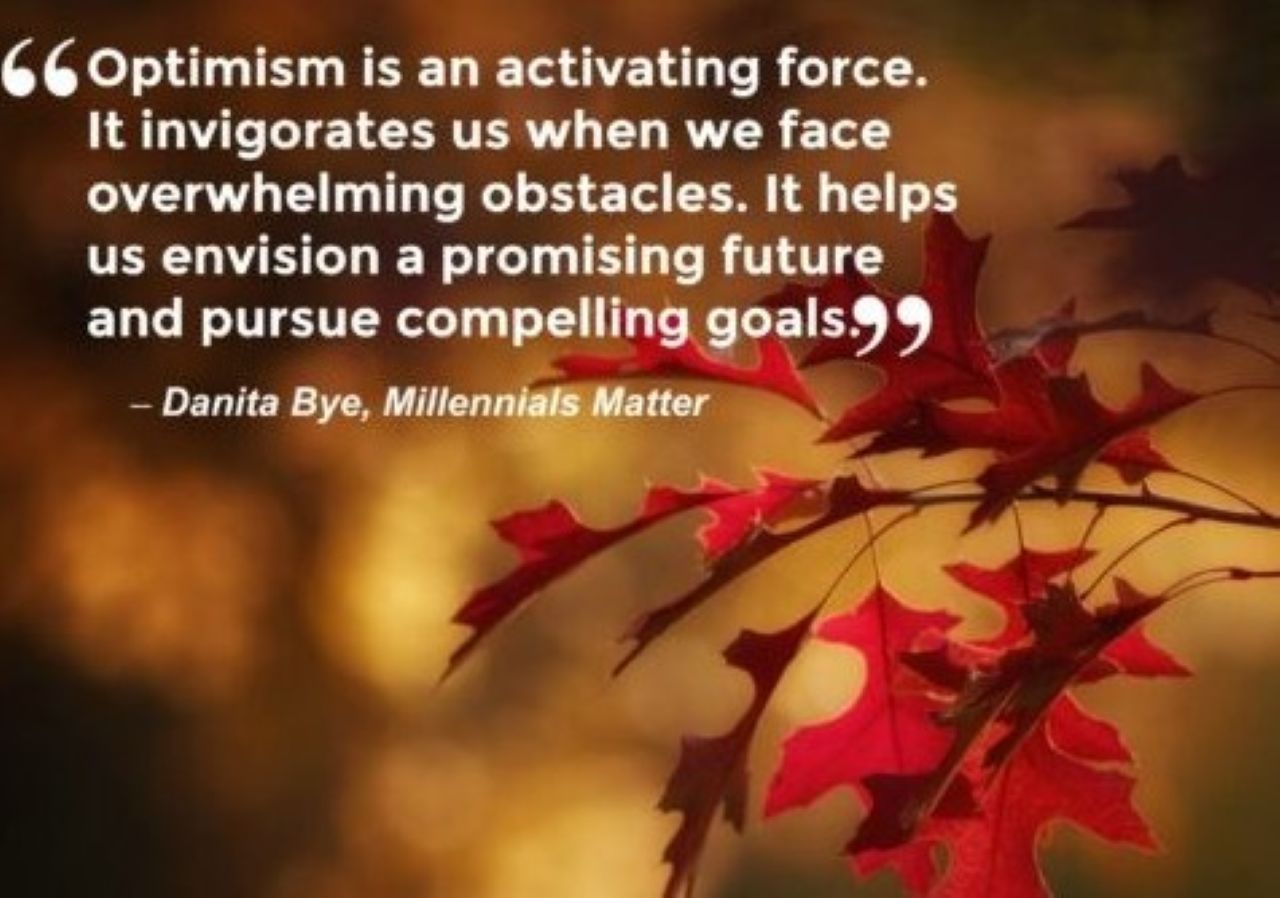
Optimism is an activating force. It invigorates us when we face overwhelming obstacles in our personal or professional lives. It helps us to envision a promising future and pursue compelling goals.
Optimism is a confident belief, or mindset, that expects good outcomes even when facing tough circumstances. This is not a rose-tinted-glasses brand of optimism. A true optimist is aware of the issues at hand and yet makes a deliberate choice to stay positive and trust in God.
How do you mentor optimism? Here are a few insights.
See humor in life. I love what Solomon said. “A cheerful heart is good medicine, but a broken spirit saps a person’s strength” (Proverbs 17:22 NLT). Show your own ability to find humor, even amid a tense and difficult situation.
Cultivate gratitude. When your emerging leader is stuck, it’s easy for them to focus on what’s discouraging. However, the more exercise they give their brain in being grateful, the more they can defeat hopelessness and see God’s hand at work in their lives. Invite them to create a gratitude journal and commit to recording at least three things in the journal each day.
Stay connected. This enables us to remain optimistic that we’ll reach a positive outcome through the mental and emotional support or active assistance of one or more people around us.
In the book The Happiness Advantage by , the author affirms this point: “Researchers have found that the ‘physiological resourcefulness’ that employees gain from positive social interactions provides a foundation for workplace engagement—employees can work for longer hours, with increased focus, and under more difficult conditions.”
Remind your millennial leader to reach out for help! The conditions we face are often beyond the scope of our abilities, but not beyond the scope of our mentors, church, or God.
When you mentor a character core that includes optimism, your disciple can develop greater optimism and faith and be a Godly influence on others in their life.
Scripture
Proverbs 17:22
Romans 8:28
Reflections: Mentoring Optimism
When You’re Stuck, Optimism Still Works
I learned about optimism at a young age on the TTT Ranch. Recently, I found myself asking my dad—again—to tell one of my favorite stories.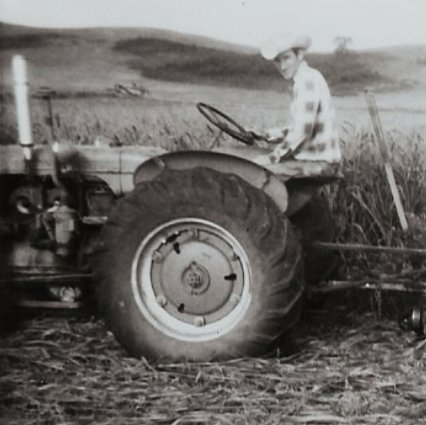
“Dad, what was the worst stuck tractor you ever had to deal with?” I asked during an after-dinner conversation.
He didn’t hesitate.
It was December 1979. Dad had just invested in a brand-new John Deere tractor—shiny, powerful, and equipped with all the latest gadgets. It was his pride and joy. Behind our barn was a protected feeding area for cattle—except for one notorious spot. About forty feet across, it was quicksand. In summer, we avoided it. In winter, when frozen, we drove over it safely.
After a few unseasonably warm days, Dad climbed into that new tractor early Sunday morning to feed the cattle before church. Everything went smoothly until the final load of hay. When he shifted gears to move forward, nothing happened. He looked back and saw the rear end of his John Deere sinking into thawed quicksand—right up to the top of the back tires.
Many people would have panicked. Some might have given up. Not my dad.
His optimism wouldn’t let him see this as the end of the story. He stayed calm. He believed there had to be a solution. The tractor stopped sinking, and over the next several days, he searched until he found a company that specialized in pulling oil tankers and semitrucks out of impossible situations. Eventually, they hauled that tractor out.
That day, I learned something lasting: being “stuck”—whether literally or figuratively—is no match for mental strength, faith, and the right resources. My dad modeled realistic optimism—the kind that doesn’t deny reality but refuses to surrender to it.
Why Optimism Matters More Than Ever
In today’s world of AI, automation, and accelerating change, optimism isn’t optional—it’s essential.
Optimism doesn’t ignore real problems. It doesn’t pretend the tractor isn’t sinking. It acknowledges the facts and still chooses hope, courage, and forward motion. That’s the kind of mindset leaders need now more than ever.
AI can process information. It can predict outcomes. But it cannot inspire hope. That responsibility belongs to leaders with character.
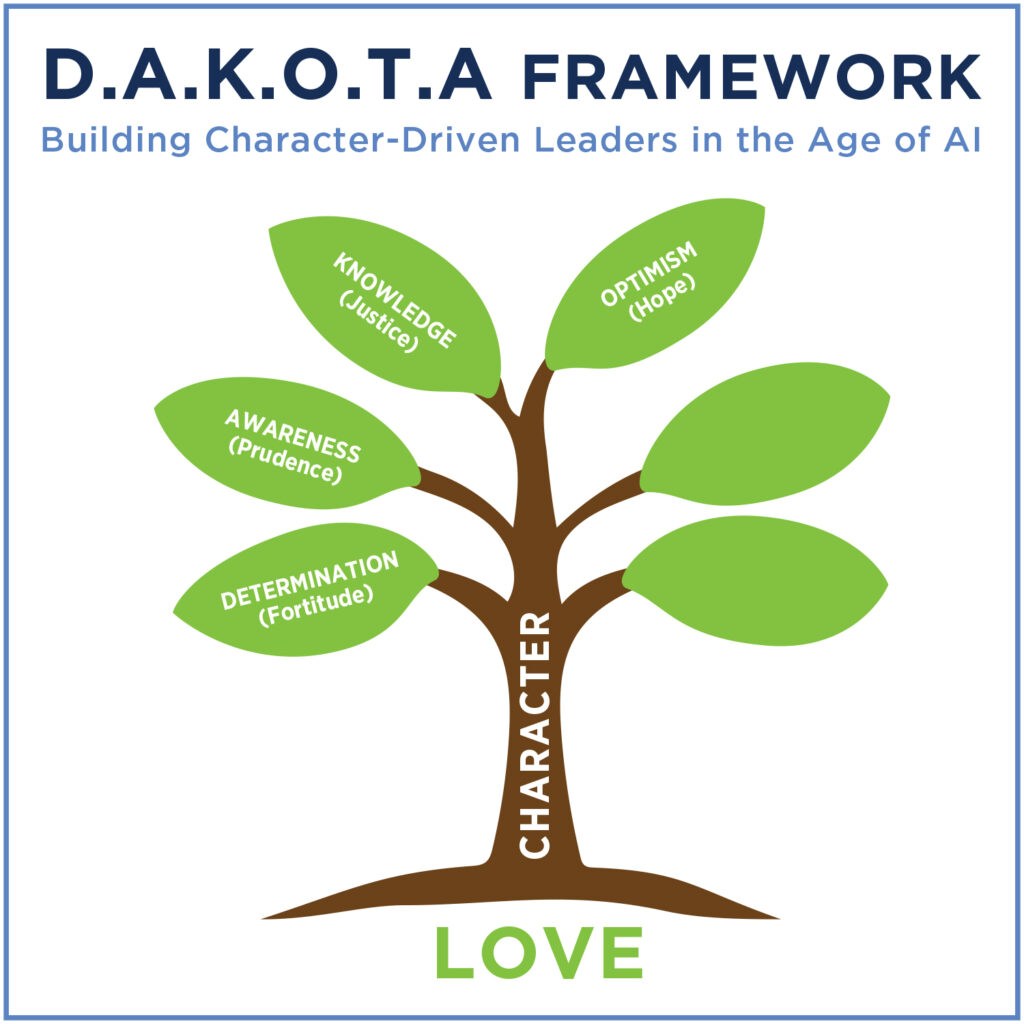
This is where convergence matters. Have you ever looked back on your life and thought, Now I see it? At the time, you couldn’t connect the dots—but later, you realized every challenge, every test of faith, every hard season was preparing you for something more.
Leadership scholar Dr. J. Robert Clinton calls this Convergence—the moment when character, calling, and competence align for maximum Kingdom impact. Optimism allows leaders to step into that moment believing, This is what I was prepared for.
Jesus’ words in Matthew 28:19 remind us that God’s mission is always bigger than our setbacks. Optimism becomes strength when it’s rooted in His promise that the story isn’t over yet.
Optimism Is Caught, Not Just Taught
This is the power of mentoring: what you model shapes how others lead.
Joshua gives us a vivid picture of grounded optimism. When Moses sent twelve spies into the Promised Land, ten returned overwhelmed by fear. Joshua and Caleb saw the same giants—but they also saw God’s promises.
Joshua’s optimism wasn’t naïve. It was formed over time through close leadership with Moses. Moses modeled resilience, responsibility, and faith. Joshua absorbed that mindset—and carried it forward.
Optimism grows best in proximity to faithful leaders who live it out under pressure.
Ancient Virtues That Sustain Today’s Optimism
Optimism doesn’t just happen. It’s cultivated.
At its core, optimism is a confident mindset that expects good outcomes—even when circumstances are difficult. It faces reality honestly and still chooses courage.
True optimism is rooted in virtue. Four, in particular, sustain it over time:
-
Faith – Trusting God’s promises before outcomes are visible. Faith reminds leaders that God is at work, even when results are delayed.
-
Hope – Believing the future can be better than the present. Hope keeps leaders moving when others are tempted to quit.
-
Temperance – Remaining calm and measured under pressure. Temperance steadies emotions and prevents fear-driven decisions.
-
Prudence – Taking wise, thoughtful action. Prudence turns belief into progress.
When these virtues are practiced consistently, optimism becomes a discipline—not a mood. And young leaders don’t just hear optimism; they see it modeled in a life they can trust.
3 Practical Ways to Coach Optimism
As a leader, you have both the opportunity and responsibility to cultivate optimism in those you influence—especially Next-Gen leaders facing unprecedented pressure.
Here are three practical strategies.
1. Use Humor to Release Pressure
When challenges pile up, tension narrows perspective and drains creativity. Humor allows people to exhale.
Solomon wrote, “A cheerful heart is good medicine” (Proverbs 17:22). Laughter doesn’t minimize problems—it restores strength.
Try this: Use appropriate humor to lighten heavy moments. Tell uplifting stories. Smile more. Let those you lead know that tension doesn’t get the final word.
2. Cultivate Gratitude to Shift Perspective
When leaders feel stuck, their minds often replay what’s wrong. Gratitude interrupts that cycle.
Gratitude helps leaders recognize God’s presence even in difficulty. Research confirms what Scripture teaches: consistent gratitude increases optimism, reduces stress, and strengthens resilience.
Try this: Write down three things you’re grateful for each day—big or small. Encourage those you coach to do the same. Gratitude rewires how leaders see their circumstances.
3. Strengthen Connection to Sustain Hope
Isolation erodes optimism. Connection restores it.
Encourage leaders to build relationships with mentors, peers, and faith communities. These connections provide encouragement, wisdom, and grounding truth.
Try this: Schedule regular check-ins with a mentor or trusted friend. Offer encouragement as freely as you receive it. Optimism grows best in community.
Your Leadership Takeaway
Quicksand moments will come—in leadership, in business, and in life. But optimism grounded in God’s truth turns “stuck” into solid ground.
Optimism is not wishful thinking. It is a leadership discipline—one that strengthens resilience, inspires others, and anchors hope in uncertain times.
In an AI-powered, high-pressure world, leaders of character don’t just solve problems.
They model hope—and teach others how to stand firm when the ground feels unsteady.
P.S. This is a challenge I deal with regularly. Thus, I did a whole series on Gratitude that you might appreciate.  Here is a summary article with links to all the articles, plus other resources, I shared in the Gratitude Series.
Unlocking Leadership Influence Through the Gratitude Revolution (Summary of the Gratitude Series
Leadership Question: How will your optimism today inspire someone else’s courage tomorrow?
Leadership Lesson: Optimism is a choice — and that choice shapes the future you will create.
Copyright Danita Bye – (Edited by ChatGPT for clarity and flow).

Let’s discuss a tailor-made interview to meet your audience’s needs.
Virtual speaking event? No problem!
Check out my Speaker page HERE.
To schedule a call, contact me at danita@danitabye.com
No Comments