I still see the waiting room. That moment opened the Character Matters Series, and it has not let go of me since.
Five children, all under ten, sit across from me, each one staring into a glowing screen. No noise. No fidgeting. Not even a glance up when their names are called. At first, it looks like calm. Then it hits me. It is not calm. It is conditioning.
The long-term consequences of moving from a word-based culture to a screen-based culture
I asked the question, "What happens to a civilization when people gradually lose the habit, and perhaps even the ability, to read deeply, write thoughtfully, and reason independently?"
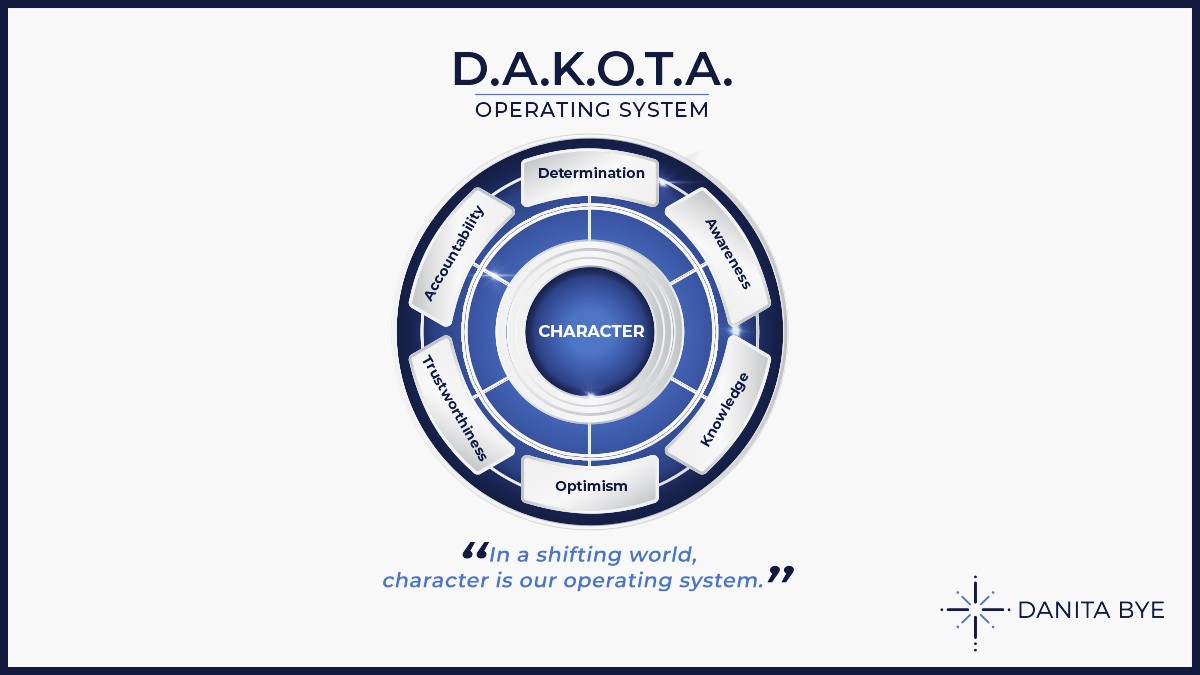
Accountability begins long before something goes wrong. This is still true, even more so, in the Age of AI.
I see that clearly during a strategy call about an upcoming launch. A new leader has stepped into a development role. In front of him sit two lists with ninety-three key contacts. The goal is simple: personally connect with each one before the kickoff event.
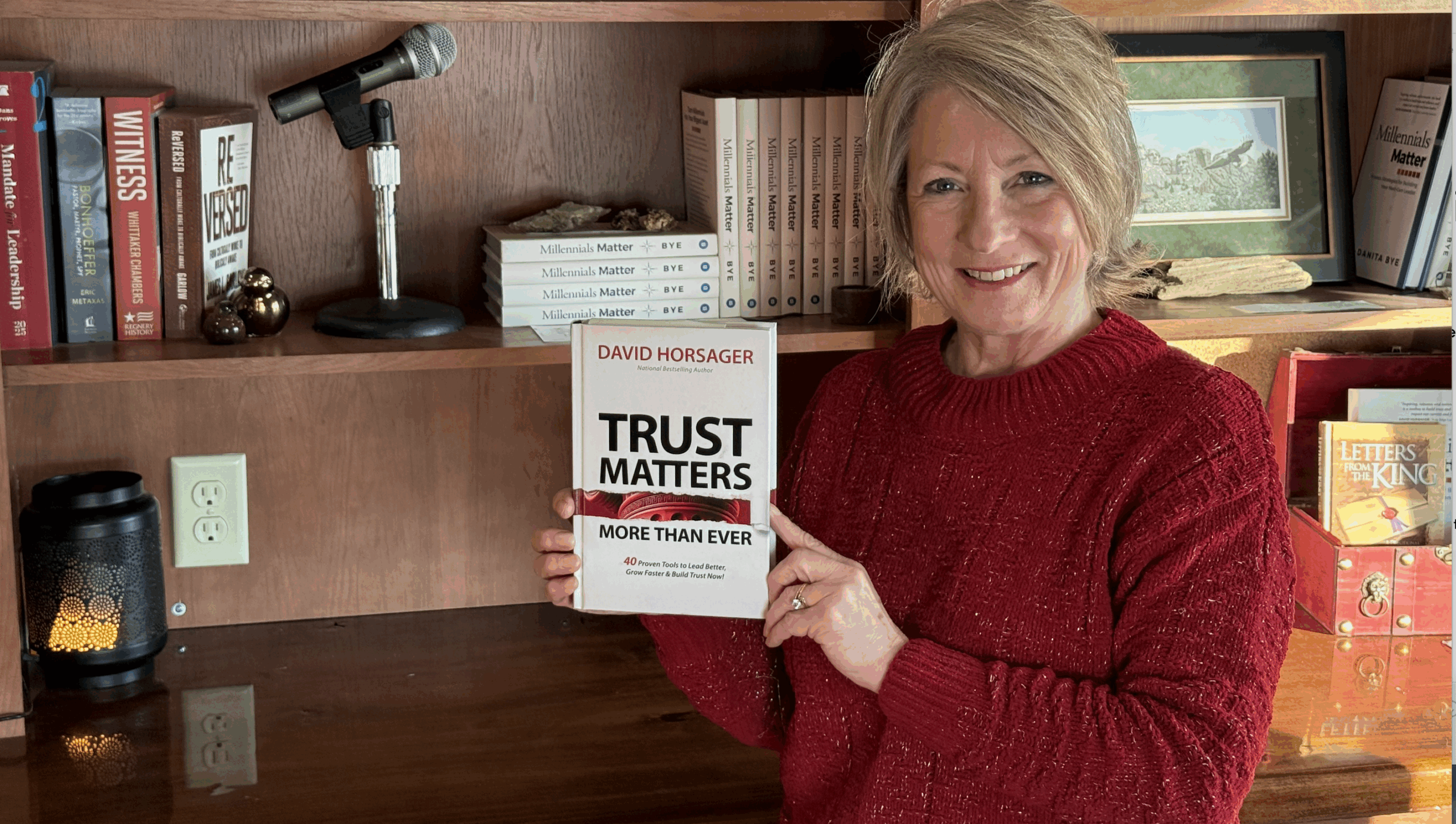
"The lack of trust is your biggest expense," says David Horsager, author of The Trust Edge. We all agree, don't we, that trust is easy to lose and hard to rebuild — especially under pressure in the Age of AI.